





What Are Varicose Veins?
Early diagnosis and initial treatment are important because it is a chronic disease that progresses as it is neglected.
It is a disease the valve of the leg vein is damaged
Varicose veins are a disease the veins in the lower limbs are curvy or bumpy. This is caused by abnormally stretched veins or abnormal valve function, causing trouble in the blood circulation, so blood does not flow up but stops or flows back down. In other words,it is a circulatory disorder of the venous blood.
Varicose vein
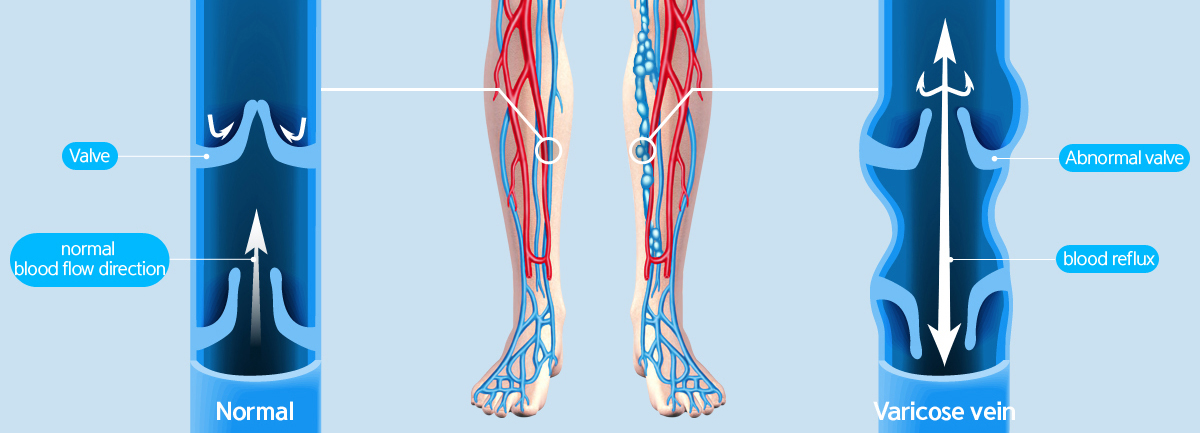
What causes varicose veins?
Causes of varicose veins
Family history is found in 70-80% of varicose vein patients.
-
01
Family history
Even in the same environment,people with inherited factors can easily damage the valve.Therefore, 'family history' is very important in varicose veins.
-
02
Age
With aging, the elasticity of the blood vessels decreases and the valves within the veins become weaker. Eventually, malfunction of the valve increases the incidence of varicose veins.
-
03
Gender
It occurs often in women because female hormones tend to expand veins.Hormonal changes due to pregnancy, contraceptive use, and menopause also increase the incidence of varicose veins.
-
04
Obesity
Obesity(or overweight) can increase the amount of blood and change in hormones that make veins stretched.
-
05
Pregnancy
During pregnancy, the blood vessels are stretched out due to hormonal changes and increased blood volume. In addition, the enlarged uteruscompresses the veins and interferes with blood circulation,which also causes varicose veins.
-
06
Job
If you are in a standing or sitting posture for a long time at your work, the blood in your lower limbs will not flow smoothly, causing or worsening varicose veins.
-
07
Secondary varicose vein
It can be caused by secondary damage after deep vein thrombosis or trauma.
Varicose vein type
Varicose veins are divided into 'telangiectasias', 'spider veins', and 'truncal varicose veins'.
-

Telangiectasias
If you see tiny blood vessels less than 1 mm in diameter, you should suspect telangiectasias
-
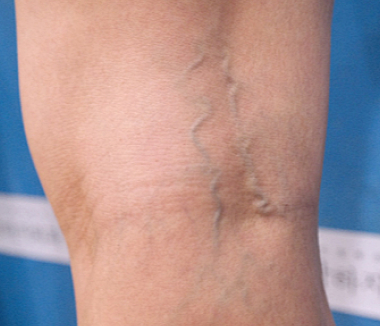
Spider veins
It is an enlarged vein of 1~3mm in diameter with a blue color, usually in a curvy shape.
-

Truncal varicose veins
The veins with a diameter of more than 3 mm and appearing to be uneven areusually called truncal varicose veins.
Possible Complications if Left Untreated
-
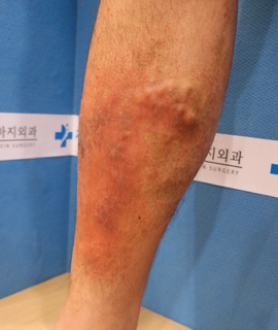
Venous Dermatitis
-
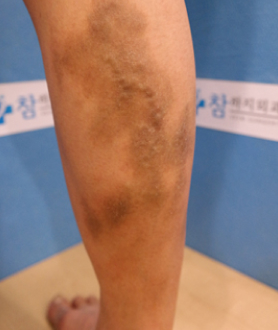
Skin Pigmentation
-
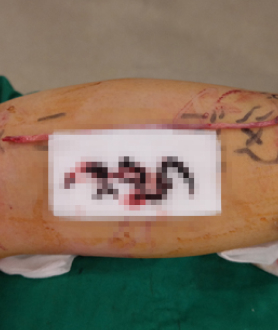
Thrombosis
-
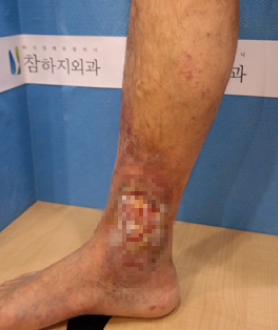
Venous Ulcer
-
We have only treated
varicose veins -
Advanced
treatmentexperience -
Advanced and
treatment equipment
We only treat
varicose veins
We have only treated varicose veins since opening
Comfortable and convenient treatment facility
Leading
Treatment experience
Radiofrequency 1,500veins
VenaSeal 400veins
We invest heavily in
advanced equipme
Advanced treatment facilities for accurate examination
and complete treatment.